





When a Streaming App Says Format Not Supported
A flat rejection instead of a quiet downgrade usually traces to one of five specific mismatches between source and receiver, not a...
Home theater sound, explained properly
Most soundbars end up in the wrong TV port, parked too low, and left on a default sound mode. AtmosWise covers the choosing, the wiring, and the calibration, with the settings and measurements that actually change what you hear.
Explore by topic
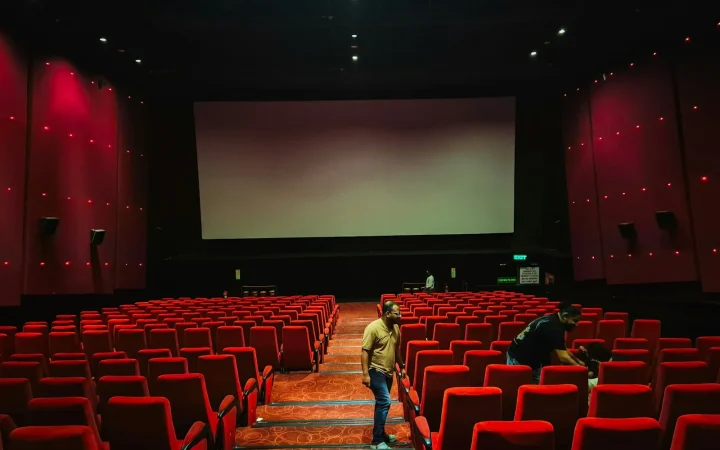
Dolby Atmos is the most misunderstood label on a spec sheet, partly because a bar can carry the...
18 guides
A mid-priced system set up properly will beat an expensive one dropped into a room and left on...
19 guides
Audio faults follow patterns, and working through them in the right order turns a frustrating evening into a...
16 guides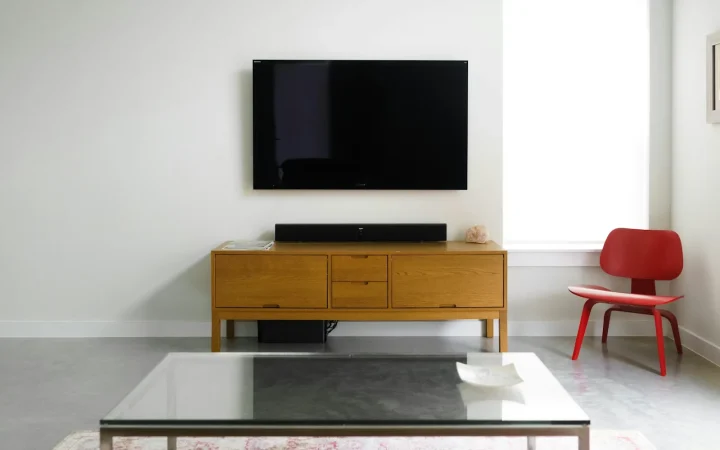
Most people buy the wrong soundbar for a reason that has nothing to do with the soundbar: they...
18 guides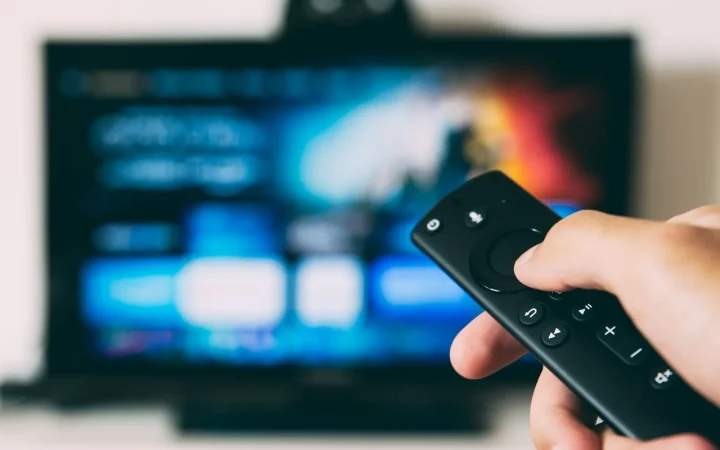
The soundtrack reaching your speakers has usually been through more compression than the picture, and the settings that...
18 guides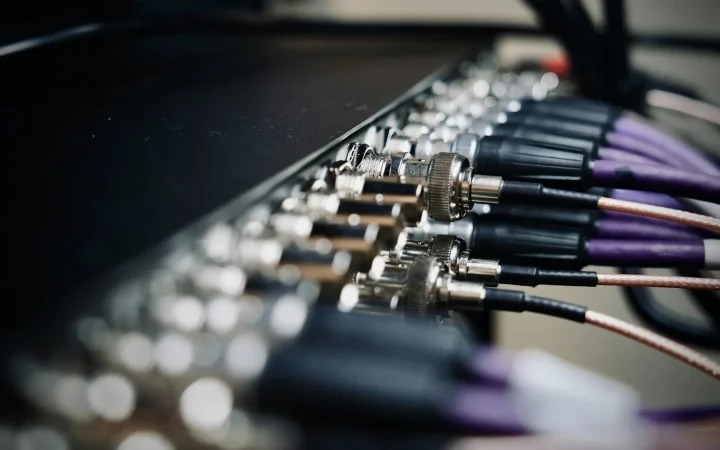
More home audio problems start at the back of the television than anywhere else, and almost all of...
18 guidesEditor's picks
The guides readers come back to, and the ones we would hand a friend unboxing their first soundbar.
Latest articles
A flat rejection instead of a quiet downgrade usually traces to one of five specific mismatches between source and receiver, not a...
Why a speaker's distance from a wall or corner changes its sound more than any setting on the receiver, and what that...
An audio extractor pulls sound out of an HDMI signal for an older system, while a splitter just copies that same signal...
A ripped Blu-ray remux can carry the disc's lossless track, but only if the server, the client, and cable all agree not...
The video, not the Atmos soundtrack, is what actually decides how much of your connection a 4K stream needs.
Five connection habits quietly cap a soundbar at stereo or 5.1, even when the room and the disc are both capable of...
Why trust AtmosWise
Most read
Weekly guide
A single email, every Tuesday, covering one link in the chain: what to buy, how to connect it, and which setting is quietly ruining your dialogue.
No spam, no sponsored placements. Unsubscribe in one click.
Quick answers
Only if your ceiling can use it. Atmos height effects from a soundbar work by bouncing sound off a flat ceiling, so up-firing drivers do very little under a sloped, beamed, or vaulted ceiling, or one much above 3.5 metres. In a normal room with a flat ceiling between 2.4 and 3 metres, a good Atmos bar adds a real sense of height. If your ceiling does not cooperate, put the money into a subwoofer or rear speakers instead, because those change the experience far more than height channels you cannot hear.
Use HDMI eARC whenever the TV and the bar both support it. Optical tops out at compressed 5.1 and cannot carry Dolby Atmos or DTS:X at all, while eARC has the bandwidth for the full lossless formats and passes volume control through the TV remote. Plug into the one HDMI port labelled eARC or ARC, not any other port, and switch HDMI-CEC on in the TV settings. If your TV only has plain ARC, you still get Dolby Digital Plus, which is how Atmos arrives from streaming apps anyway.
Three things cause most of it. The bar is tucked inside a cabinet or sitting below the TV firing into the base of the sofa, the TV is folding a multichannel mix down badly before it ever reaches the bar, or a night mode is compressing the whole track. Move the bar to the front edge of the surface, set the TV audio output to Bitstream or Passthrough, and turn off surround virtualisation while you test. Most bars also have a dialogue mode that lifts the 1 to 4 kHz range, which is usually worth three or four decibels of clarity.
Start on the same wall as the TV, roughly a quarter of the way in from a corner, and 20 to 30 cm off the wall. Corners give the most output but the least even response, which is exactly what makes bass boom on one seat and vanish on another. If one seat sounds wrong, try the subwoofer crawl: put the sub on your listening seat, play a bass-heavy track, then move around the floor on your hands and knees and listen for where the bass sounds tightest. That spot is where the sub goes.
In most rooms, yes, and it does more than height channels do. Real rears put effects behind you rather than faking them off the side walls, which virtualisation only pulls off in a narrow, symmetrical room. A matching wireless rear kit runs somewhere between 150 and 350 dollars, and you need a mains socket behind the seating, which is the part people forget until the box is open. If getting power to the back of the room is impossible, a better subwoofer is the next best spend.